

Which Horizontal Juicer Screen Should You Use? Fine vs. Coarse vs. Blank

Optimize your juicing

Choosing the right screen for your horizontal slow juicer can make a big difference in the results you get. Whether you want smooth, clear juice, a thicker juice with more pulp, or homemade sorbet, understanding the different juicing screens will help you get more from your machine.

Most Sana horizontal juicers offer three types of screens: fine, coarse, and blank (homogenizing). Each has a different purpose, and the best choice depends on the ingredients you're processing and the result you want.

What Is a Juicer Screen?

A juicer screen is the perforated or solid component inside the juicing chamber that determines how liquid and solid ingredients move through the machine. Its design affects juice filtration, pulp content, and the types of foods the juicer can process.

Sana horizontal juicers use interchangeable screens to provide greater flexibility than a juicer with only one filtration option.

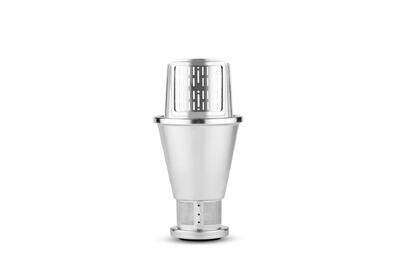
Sana 929 screens together (4 of 4)

1. Fine Juicing Screen: For Smooth, Well-Filtered Juice

The fine juicing screen is the best starting point for most everyday juicing. Its small openings allow juice to pass through while retaining more of the pulp, producing a smoother, more finely filtered result.

Use the fine screen for ingredients such as:

  • Apples and pears
  • Carrots and other firm vegetables
  • Leafy greens
  • Cucumbers
  • Citrus fruits
  • Most berries and other fruits

The fine screen is particularly useful when you prefer a lighter, smoother juice with less pulp. It provides effective filtration for a wide range of ingredients.

However, the smaller openings can restrict the flow of certain soft or fibrous ingredients. If your produce tends to clog the screen or you prefer a thicker juice, the coarse screen may be a better option.
Sana 929 screens together (3 of 4)

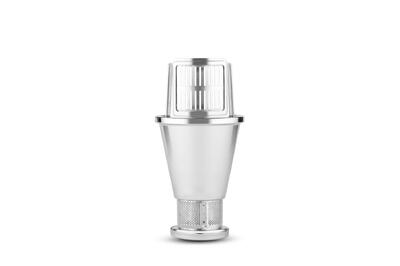
2. Coarse Juicing Screen: For More Pulp and Easier Flow

The coarse juicing screen has larger openings than the fine screen. This allows more fine pulp to pass into the juice and can help ingredients move through the juicing chamber more easily.

A coarse screen can be useful for:

  • Very ripe or soft fruits
  • Tomatoes
  • Soft berries
  • Mangoes
  • Kiwis
  • Pineapple
  • Other juicy or fibrous produce

The resulting juice generally has a thicker texture and contains more pulp. For some ingredients, the larger openings can also help reduce clogging and improve the flow of material through the juicer.

The coarse screen is not necessarily better or worse than the fine screen. It simply produces a different result. If you prefer juice with more body, or if a particular ingredient is difficult to process with the fine screen, try the coarse screen.

Which is better? Choose the fine screen when you want smoother juice with less pulp. Choose the coarse screen when you prefer a fuller texture or need better flow with certain ingredients. Neither screen is universally best for every fruit and vegetable.

Sana 929 screens together (2 of 4)

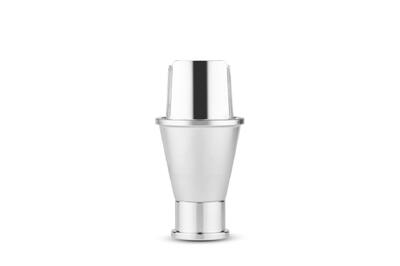
3. Blank Screen: For Sorbet, Nut Butter and Food Processing

The blank screen, also called a homogenizing screen, works differently from the fine and coarse juicing screens. It has no openings for juice to escape, so it does not separate liquid from pulp.

Instead, the auger pushes ingredients against the solid screen and processes them into a smooth, homogeneous mixture. This allows a compatible horizontal slow juicer to do more than extract juice.

Depending on the juicer model and the manufacturer's instructions, the blank screen can be used to prepare:

  • Frozen fruit desserts and sorbets
  • Nut butters
  • Baby food
  • Fruit sauces
  • Vegetable purées
  • Dips and spreads

For example, partially thawed frozen bananas, mangoes or berries can be processed through the blank screen to create a smooth, fruit-based frozen dessert.

Important: Do not use the blank screen when you want to extract juice. Because it has no perforations, it is designed to process and homogenize ingredients rather than separate juice from solid pulp.

The blank screen is also not available for vertical juicers that do not support this type of food-processing attachment. Always check which accessories are compatible with your particular model.

4. Why Do Horizontal Slow Juicers Have Interchangeable Screens?

Different fruits and vegetables behave differently during extraction. Firm carrots, fibrous celery and soft tomatoes, for example, do not create the same flow or resistance inside a juicing chamber.

A single screen must balance filtration, juice flow and pressure against the auger. Interchangeable screens allow you to adjust that balance according to the ingredients and your preferred results.

The three screen types provide distinct functions:

  • Fine screen: filters more pulp for a smoother juice.
  • Coarse screen: allows more pulp through and can improve flow with certain soft or fibrous ingredients.
  • Blank screen: bypasses juice separation to homogenize foods such as frozen fruit and nuts.

This flexibility makes compatible horizontal slow juicers useful for a wider range of food preparation tasks than juicing alone.

What you want to make

Smooth apple or carrot juice

Green juice from leafy vegetables

Juice with more natural pulp

Juice from very soft, ripe fruit

Tomato or mango juice

Frozen banana or berry sorbet

Nut butter or a smooth purée

Use this screen

Fine

Fine

Coarse

Coarse

Coarse

Blank

Blank

One Horizontal Juicer, Three Screens, More Possibilities

Understanding the difference between fine, coarse and blank juicer screens helps you choose the right accessory for each recipe.

Use the fine screen for smooth, well-filtered juice. Switch to the coarse screen when you want more pulp or need to improve the flow of certain ingredients. Choose the blank screen when you want to prepare sorbets, nut butters and other homogenized foods with a compatible horizontal juicer.

Once you know what each screen does, getting the right result becomes much easier—and your horizontal slow juicer becomes a more versatile tool in the kitchen.

Published: 27. October 2026