

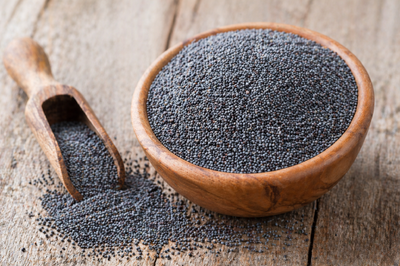
Always use whole, fresh poppy seeds. Old or ground seeds produce less oil and can clog the press. Fresh seeds improve both yield and efficiency.
Make Cold Pressed Poppy Seed Oil at Home
With the Sana oil extractor
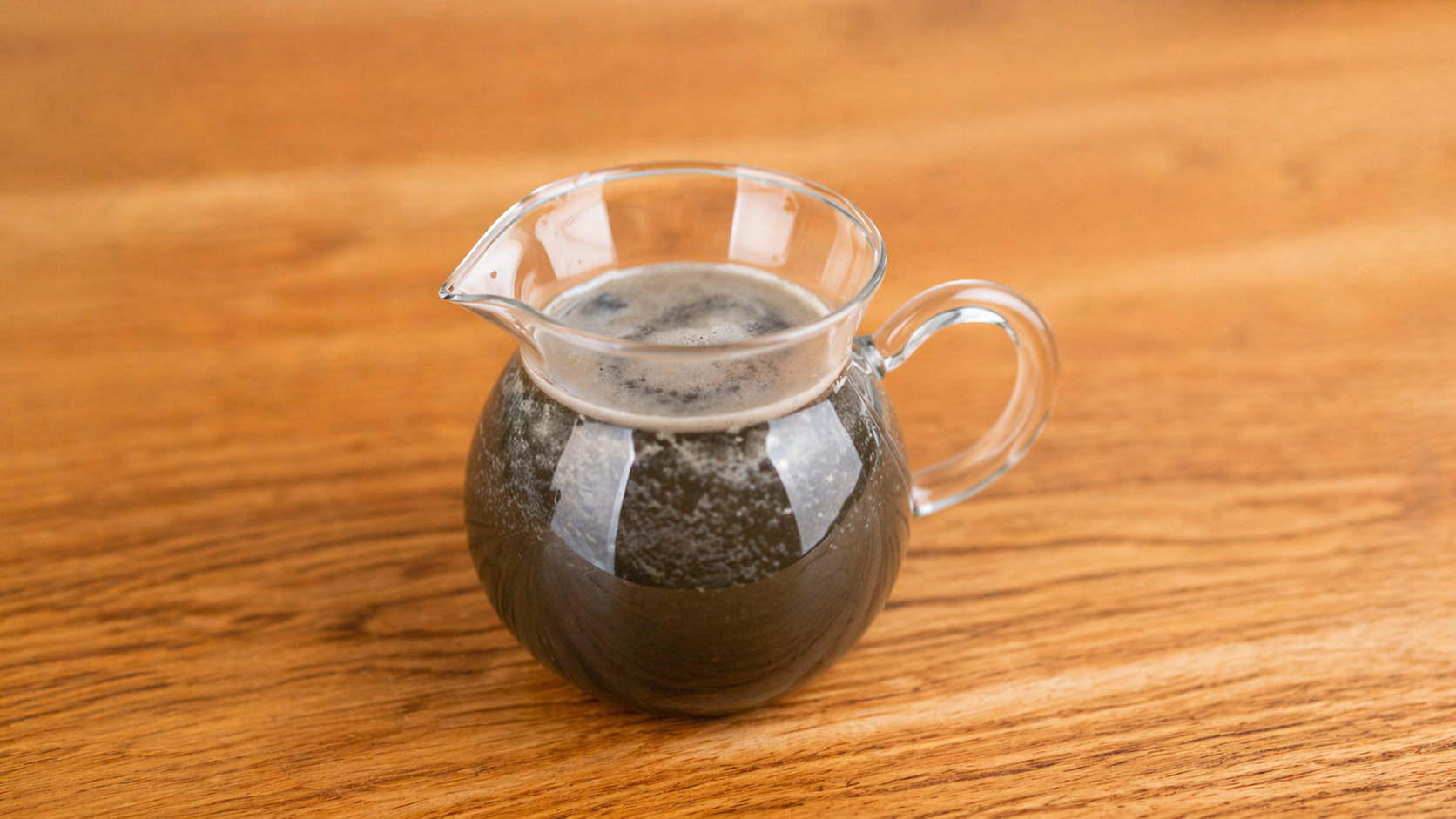
Most home oil press enthusiasts start with familiar seeds like flax, hemp, sunflower, or sesame. But poppy seeds are an often-overlooked option that deserve a place in your kitchen. With the right equipment—such as the Sana Oil Extractor—you can easily produce fresh, cold pressed poppy seed oil at home.
ChatGPT Image Apr 21, 2026, 01_06_48 PM
Why Poppy Seed Oil Is Worth Making
Poppy seed oil is unique because it serves both culinary and cosmetic purposes.
Nutritional value
It is naturally rich in linoleic acid, an essential omega-6 fatty acid the body cannot produce on its own. This supports overall cardiovascular function and healthy cholesterol balance. Freshly pressed oil preserves these sensitive compounds at their peak quality.
Culinary use (do not heat)
Like flaxseed oil, poppy seed oil should never be heated. Instead, use it as a finishing oil:
- Drizzle over salads
- Stir into yogurt, oats, or smoothies
- Add to cooked vegetables after plating
- Take small amounts directly
Skin and cosmetic use
Thanks to its fatty acid profile, poppy seed oil is also popular in natural skincare. It can be blended into balms with shea butter or beeswax, or used on its own as a gentle makeup remover that also nourishes the skin.
ChatGPT Image Apr 21, 2026, 12_58_40 PM
Poppy seeds
sana 929 web 1500 (9 of 9)
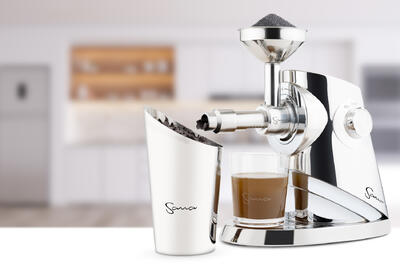
Sana 702 oil extractor
The Sana 702 Oil Extractor is a durable stainless-steel cold press attachment designed for home use. It requires a compatible juicer motor and works with models such as:
- Sana 707 Juicer
- Sana 727 Juicer
- Sana 929 Juicer
- Sana 606 Juicer
- Vidia SJ00002 Juicer
If you are starting from scratch, the Vidia model offers a budget-friendly entry point.
How Cold Press Extraction Works
The extractor uses a slow mechanical pressing system. As the auger rotates, it crushes seeds inside the chamber. This combination of pressure and friction gently warms the material, releasing oil without high heat processing.
Temperatures typically stay in the low 30°C range, which qualifies as cold pressed. After a short startup phase, oil begins flowing steadily once the chamber reaches optimal pressure.
Step-by-Step Process
1. Assemble the unit
Attach the oil press to your juicer motor and secure all components in order. Place the glass pitcher underneath the outlet.
2. Start small
Begin with 1–2 tablespoons of seeds. This helps the chamber warm up and prevents clogging.
3. Increase gradually
Once oil starts flowing consistently, increase feed rate and speed (if your juicer allows adjustment).
4. Full extraction
Around 1 kg of poppy seeds takes roughly 10 minutes at full speed, producing a full batch of fresh oil and warm seed meal.
What to Do with the Seed Pulp
The leftover seed pulp is not waste—it has a mild, nutty flavor and can be:
- Sprinkled over salads
- Mixed into baking recipes
- Added to granola or muffins
Storage Tips
Fresh cold pressed oils are delicate and should be consumed quickly.
- Store in dark glass bottles
- Keep in a cool, dark place
- Use within a few weeks for best quality
- Make small batches rather than storing large amounts
Final Thoughts
Making poppy seed oil at home gives you full control over freshness, quality, and nutritional value. With a reliable press like the Sana Oil Extractor, you can produce clean, unrefined oil for both culinary and skincare use in just minutes.
It’s a simple upgrade that turns raw seeds into a versatile, high-value ingredient—fresh whenever you need it.
Poppy seed oil in the Sana oil extractor
Published:
21.
April
2026