
Can You Juice Grapes With Seeds and Stems?

From vine to glass

shared image (10)
shared image (10)

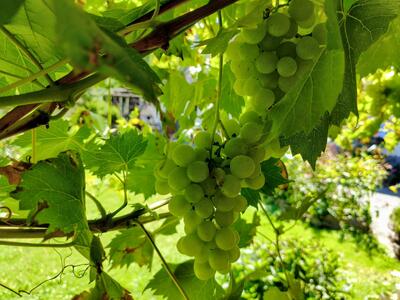
Every year, our grapevine produces more grapes than we can eat fresh, so this year I decided to put some of them through a slow juicer.

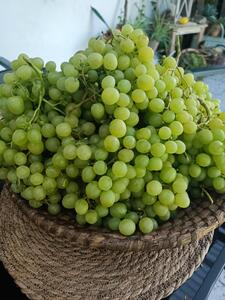
But these weren't seedless grapes prepared for juicing. They were fresh grapes from the garden, with small seeds and some stems still attached.

So I wanted to answer a simple question: Can you put seeded grapes with small stems into a slow juicer, and will the juice taste good?
shared image (9)
shared image (9)

From the Vine to the Juicer

I picked a basket of grapes directly from the vine and removed the larger, woody parts of the bunch. However, I didn't spend time removing every small stem attached to individual grapes.

The grapes also contained small seeds. Rather than removing them, I wanted to see how the juicer would handle them.

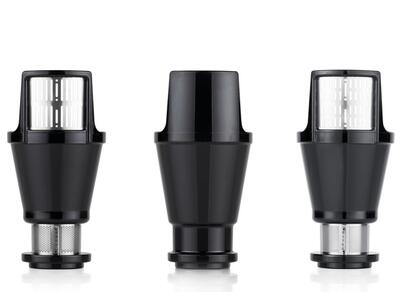
For the test, I used the Sana 727 horizontal slow juicer with the fine screen.

screens 3v1
screens 3v1

Why the Fine Screen?

I chose the fine screen because I wanted a smooth, refined grape juice with as little solid material as possible.

The grapes went into the feeding tube whole, with some of the small stems still attached.

You can clearly see the stems in the photo. The larger pieces had been removed, but I deliberately left the small, tender stems that are normally quite tedious to pick off individually.

grapes2
grapes2

How Did the Juicer Handle the Grapes?

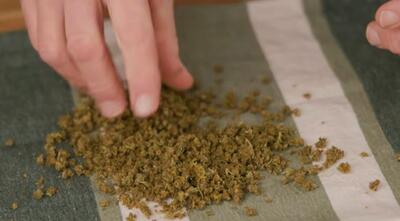
The Sana 727 had no difficulty processing the grapes.  The seeds, skins, stems and other solid material were separated from the juice and discharged as pulp.

Looking at the dry pulp afterward, you can see the solid material that has been separated during the juicing process. It was powdery dry pulp.

This is one of the advantages of using a slow juicer for grapes: there's no need to remove the seeds individually or or remove all the stem parts.

The important qualification is that I removed the larger, woody pieces of stem. I wouldn't recommend deliberately putting thick, woody stems into a juicer.

grapes1
grapes1

What Did the Grape Juice Look Like?

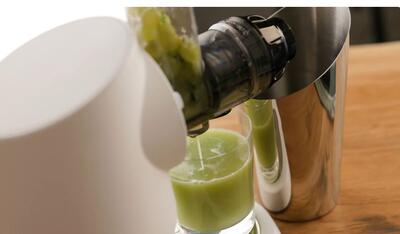
The fine screen produced a smooth, fresh grape juice with the solid material largely separated from the juice.  And then came the most important test: the taste.

There is an obvious concern when juicing seeded grapes with their skins and small stems. Could the seeds or stems make the juice bitter or unpleasant?

I tasted the fresh grapes first and then compared them with the juice. I found that the juice was sweet and smooth, with a slight earthy aftertaste when compared to eating the grapes directly.  It was a pleasant flavor, and would go well with other ingredients like apple or carrot.

So, Can You Juice Grapes With Seeds and Stems?

Based on this test, yes.  You don't need to remove the seeds from grapes before putting them into a suitable slow juicer, and you don't need to spend time removing every small, tender stem.

The basic preparation is simple:

  1. Wash the grapes.
  2. Remove large or woody pieces of stem.
  3. Leave the small stems and seeds alone.
  4. Put the grapes through the juicer.
  5. Enjoy the fresh juice.

The variety and ripeness of the grapes will obviously affect the flavour and the amount of juice you get. But for these grapes from our garden, the process was surprisingly straightforward.

There's also something satisfying about the whole process—from grapes growing on the vine to fresh juice in the glass.


Watch our video test.

Published: 23. September 2026