

Juicer technology determines juice texture, flavor, and shelf life.
How to Choose a Juicer (2026 Buyer’s Guide)
What should you know before buying a juicer?
At EUJuicers, we personally test every juicer before offering it for sale. Our evaluation process measures:
- Juice yield (extraction efficiency)
- Juice quality and oxidation rate
- Build quality and materials
- Ease of use
- Ease of cleaning
- Noise level
- Versatility and accessories
- Long-term value
If a juicer doesn’t meet our standards, we don’t sell it.
Our testing principles:
- We only stock juicers that pass performance benchmarks
- We remain brand-neutral. Results determine what we offer
- Higher price does not automatically mean better performance
This guide explains how to choose the right juicer based on your ingredients, lifestyle, and budget.
Which juicer is the best?
We are often asked "Which juicer is the best?" Check the video below to find the answer.
Which juicer is the best?
We’re often asked: “What is the best juicer?”
There is no single best juicer — only the best juicer for your needs.
Your ideal choice depends on:
- Budget
- Juice yield expectations
- Produce types
- Ease of cleaning
- Frequency of use
- Juice storage goals
- Versatility (nut milks, sorbets, baby food, etc.)
Understanding your priorities is the most important step.
Juicing technology has evolved significantly over the past decade. While any juicer can produce juice, major differences exist in:
- Nutrient retention
- Oxidation speed
- Yield efficiency
- Fiber content
- Noise
- Cleaning time
Key principle:
There is no universal juicer perfect for all fruits and vegetables.
Different produce textures require different extraction technologies.
What are you going to juice?
Your primary ingredients should drive your buying decision.
Hard vegetables (carrots, beets, ginger)
- Compatible with most juicers
- Yield varies widely
- Best performance: horizontal single-auger juicers
Leafy greens (kale, spinach, wheatgrass)
- Best: dual-gear juicers
- Excellent: high-end horizontal single augers
- Poor: centrifugal juicers
Tropical fruits (pineapple, mango, kiwi)
- Challenging due to fiber + softness
- Best: single-auger slow juicers
- Use coarse screens for efficiency
Berries
- Low yield in centrifugal machines
- Best processed in slow juicers
- Coarse screens improve flow
Stone fruits (peaches, plums, apricots)
- Dense pulp can clog fine screens
- Combine with firmer produce
- Use coarse screens where possible
Pome fruits (apples, pears)
- Juice well in all machines
- Older/soft fruit: best in hydraulic presses or slow juicers
Citrus fruits
- Easy in all juicers
- Dedicated citrus presses offer convenience but not essential
Bottom line: Choose a juicer optimized for the produce you’ll use most.
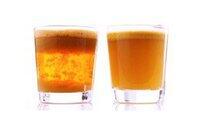
Two types of juices
What kind of juice do you prefer?
Low-RPM (Slow / Cold-Press) Juicers
Characteristics:
- Rich, full flavor
- Natural pulp content
- Minimal foam
- Low oxidation
- Higher nutrient retention
- Juice storage: up to 24 hours (72 with vacuum storage)
Best for:
- Health-focused juicing
- Batch preparation
- Greens and mixed produce
Centrifugal (high speed) juicers
Characteristics:
- Very fast juicing
- Lighter, thinner juice
- Foam separation
- Rapid oxidation
- Lower storage life (drink immediately)
Suitable for:
- Occasional juicing
- Hard fruits and vegetables
- Users prioritizing speed over yield
How much juice do you want to prepare?
Batch size affects the ideal machine type.
Large-volume juicing
Best options:
- Vertical self-feeding juicers with large hoppers
- Hands-free operation
- Good for family use
Limitations:
- Typical run time: ~30 minutes
- Require cooling breaks
Continuous juicing
Best options:
- Horizontal single-auger juicers
- Advanced motors + gear systems
- Unlimited operating cycles
- Better for commercial or heavy home use
They require manual feeding but:
- Juice faster overall
- Handle fibrous produce better
- Clean more easily

Sana 929 + accessories
How often will you use your juicer?
Frequency determines how important cleaning and assembly become.
Daily juicing
Best:
- Horizontal single augers
- Fast assembly
- Fewer parts
- Quick rinse cleaning
Regular but convenience-focused
Good:
- Vertical slow juicers
- Self-feeding designs
Maximum performance (but complex)
- Dual-gear juicers
- Highest yield for greens
- Longest cleaning time
Juice storage considerations
Using vacuum containers:
- Reduces oxidation
- Extends storage life
- Slow juice can last up to 72 hours refrigerated
Price vs value: What’s the cost of your health?
Cheap juicers often go unused.
Common complaints:
- Poor yield
- Difficult cleaning
- Loud operation
- Frequent clogging
- Many Chinese-made juicers have minimal warranties and are basically disposable juicers
Savings disappear when produce waste increases.
Why invest in a premium juicer?
- Higher juice yield = lower ingredient cost
- Better durability
- Longer warranties
- Available spare parts
- Easier cleaning
- Better daily usability
A quality juicer pays for itself through efficiency and longevity.
Basic overview of juicer types
Centrifugal juicers
- Fastest juicing speed
- Lower yield
- Loud
- Juice must be consumed immediately
- Weak with greens and soft fruit
Single-auger horizontal juicers (best all-round choice)
- Excellent versatility
- High yield
- Superior juice quality
- Faster than verticals
- Best yield with firm produce
- Easy cleaning
- Strong leafy-green performance
- Homogenizing functions: Nut butters, Sorbets, Baby food, Sauces, Food processing
Modern models include:
- Variable speeds
- Stronger motors
- Unlimited run cycles
Single auger vertical juicers (second best choice)
- Gravity-assisted feeding
- Good for soft fruits
- Slower processing
- More parts to clean
- Large hoppers improve convenience
Dual-gear juicers
- Maximum yield (especially greens)
- High juice quality
- Low oxidation
- Complex assembly
- Long cleaning time
Best suited for:
- Dedicated juicing enthusiasts
- Therapeutic juicing protocols
Manual (mechanical) juicers
- No electricity required
- Quiet operation
- Lower yield
Ideal for travel or occasional use
Final thought: Which juicer is right for most people?
For the majority of households, a high-quality horizontal single-auger juicer offers the best balance of:
- Yield
- Juice quality
- Versatility
- Ease of cleaning
- Durability
- Long-term value
Sana Products is the industry specialist in horizontal juicers, and we recommend the following three models:

Sana EUJ-707 ferrari red profile
Sana 707
Sana's original iconic horizontal juicer rewrote the book when it came to juicing. Ten years later, the design has been refined but the performance and durability remain. The world's first juicer to include three screens, the Sana 707 includes premium glass and stainless steel accessories and a celery insert for optimal celery juicing. Practically indestructible, the 707 is our pick for a value-priced juicer.

727-black-set
Sana 727 Supreme
Probably the best balance of price and performance in a juicer. It was the first juicer with an advanced nonstop variable speed motor, and developed a new higher yield juicing system. It includes three screens for maximum versatility, and premium stainless steel and Bohemian crystal containers, as well as a special celery extraction blade for nonstop celery juicing. It's our pick for the best juicer for most people.

Sana 929 + accessories
Sana 929 Ultimate
In our opinion, this is the best juicer money can buy. Made from solid stainless steel and featuring a lifetime warranty on parts and motor, this model will easily handle anything you can throw at it. It has every feature we look for in a juicer, including three screens, variable speed nonstop motor, pressure regulator, and the highest possible yield. However, the price positions it for the true juicer enthusiast.