
The tasty corner

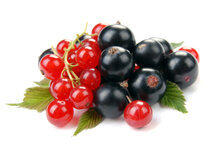
berries smoothie

Preparation of Fruit and Vegetables

  1. Always wash the fruits and vegetables before juicing.
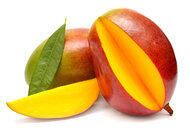
  2. If using fruits with hard or inedible peels such as mangoes, guava, melons or pineapple, always peel before juicing.
  3. All fruits with pits, hard seeds or stones such as nectarines, peaches, mangoes, apricots, plums and cherries must be pitted before juicing.
  4. Citrus fruits can be juiced if first peeled.

How to Wash Fruit and Vegetables

  1. Take all the fruit/vegetables you need to wash and place them on a counter near a sink.
  2. Place a colander in the sink if you like.
  3. Turn on warm/cool water. Don't use hot or freezing cold water.
  4. Run the fruit/vegetables under the water. If you have some kind of brush to clean with, you may wish to use that for certain items, such as potatoes, which have been growing in soil. Just make sure that the brush is not too rough, or it will dig into the skin.
  5. Make sure there isn't any dirt or other items left on your fruit or vegetable.
  6. Cut off any bad spots.

How to choose fruits

  1. Buy in season. Fruit that come out of season are normally from farther away, and generally lack the flavor of fruit in season.
  2. Use your senses to pick good fruit at the grocery store. The smell, touch and look of the fruit are all important in determining whether you get ripe, delicious fruit or sour, unripe or bland fruit.
  3. Search for the fruit you want until you have found it. The less popular fruits may not be in season which can mean that they will not be in the store at that time.
  4. Look for mold on the fruit. If you find any do not take it.
  5. Check if the color is what it's supposed to be. For example, don't take a green strawberry.
  6. Look for bruises and spots that indicate the fruit has been roughly handled and damaged.
  7. Smell the fruit. Some fruits have a "ripe" odor, like cantaloupe and honeydew melons. Some fruit may have a sour odor if they are beginning to spoil.
  8. Feel the fruit, but do so carefully. Firm fruits like apples and pears should feel firm, but peaches, plums, and other "soft" fleshed fruits should feel slightly soft. If you test it this way, do so carefully as not to damage the fruit.
  9. Select fruit that is in a bin or open storage box, not in bulk bags or boxes. The old saying, "One rotten apple will spoil the whole lot," is often true, and you will seldom find a large bag of fruit without at least some damaged fruit in it.
  10. Pick the fruit up. If it's heavy for its size, then you have successfully found yourself a good piece of fruit!

Fruit and vegetable tips

Begin by juicing your favourite fruits and vegetables first and then try to become a bit more adventurous by using more exotic combinations.

WARNING!!! Be careful with fruit juices, as they do contain a lot of natural sugar and may raise insulin levels in the blood. The same goes for beetroot and carrot and these juices should be avoided by diabetics.

Useful links

The fruit pages
The fruit book
Fruit juicer recipes
Leafy greens information


Fruit and vegetable health benefits

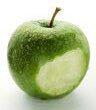
Apple
It improves the functions of kidneys and eases kidney activities. Apple is also good for digestion problems. It is said „An apple a day keep the doctor away“.

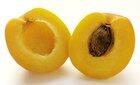
Apricot
It is a blood supply. It increases the flow of blood in both directions in vessels. It protects the formation of cancer cells since it is a great source of Carotenoid. Apricots also help the growth of hair. Nutrients in apricots can help protect the heart and eyes, as well as provide the disease-fighting effects of fiber.

Banana
Banana is good for heart and muscular system. It protects the feeling of exhaustion and diarrhea.

Beets
These colorful root vegetables contain powerful nutrient compounds that help protect against heart disease, birth defects and certain cancers, especially colon cancer.

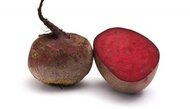
Beetroot
Containing the powerful antioxidant betacyanin, which gives beetroot its deep red hue, this vegetable purifies the blood and has anti-carcinogenic properties. Research shows it boosts the body’s natural defenses in the liver, regenerating immune cells. Also contains silica, vital for healthy skin, fingernails, ligaments, tendons and bones.

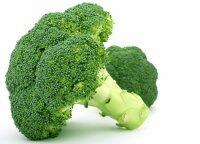
Broccoli
Like other cruciferous vegetables, broccoli contains the phytonutrients sulforaphane and the indoles, which have significant anti-cancer effects. Research on indole-3-carbinol shows this compound helps deactivate a potent estrogen metabolite (4-hydroxyestrone) that promotes tumor growth, especially in estrogen-sensitive breast cells, while at the same time increasing the level of 2-hydroxyestrone, a form of estrogen that can be cancer-protective. Indole-3-carbinol has been shown to suppress not only breast tumor cell growth, but also cancer cell metastasis (the movement of cancerous cells to other parts of the body).

Carrots
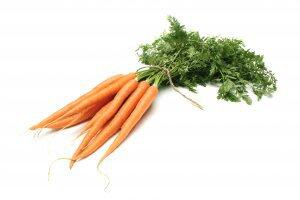
Carrots' antioxidant compounds help protect against cardiovascular disease and cancer and also promote good vision, especially night vision.

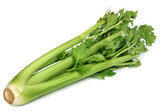
Celery
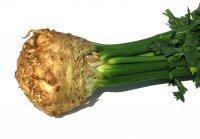
Celery contains vitamin C and several other active compounds that promote health, including phalides, which may help lower cholesterol, and coumarins, that may be useful in cancer prevention.

Cherry
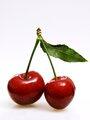
Good storage for minerals and vitamins. It contains vitamin A and vitamin C, Melatonin, anthocyanins and bioflavonoids. It help to fight cancer types. It helps to relieve pain, especially headaches, improves mental functions and reduces the risk of heart attack.

Fig
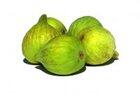
It is used in treatment of hemorrhoids and some cancer types like skin cancer. It is suggested for asthma and diabetes patients. Figs are also good for nausea, headache, fevers and whooping cough.

Grapefruit
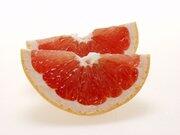
It strengthens the immune system. It is a good source of vitamin C along with lemon and other fruits. It helps to prevent formation of cancer cells and tumors. It helps in digestion of nutrients. Grapefruit is good for cough and flue since it is rich in vitamin C. It also decreases the level of cholesterol in blood and protects gingival bleedings.

Kiwi
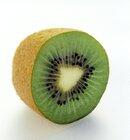
Kiwi fruits can stimulate intestine's movement, and improve constipation as well. Some studies also revealed that kiwi fruit can improve the quality of sleep. This is because kiwi fruit is high in calcium.
Orange
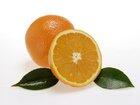
It helps whooping cough, flu and heart diseases. It protects and decreases the risk of paralysis.

Pears
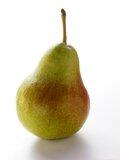
Pears are a good source of vitamin C and copper. Both of these nutrients can be thought of as antioxidant nutrients that help protect cells in the body from oxygen-related damage due to free radicals. Pears helps to preserve a good function of our immune system.

Pineapples
Pineapple’s main benefits come from bromelain, an effective anti-inflammatory, making it exceptional good for joint problems. Rich in vitamin C, pineapple supports the immune system and defends against free radicals, which can cause premature ageing. An excellent source of manganese, important for antioxidant defense and energy production.

Strawberries
Strawberries helps to maintain the structure of the skin. Vitamin C in strawberries also plays an important role in healing wounds and can ward off gingivitis, the gum disease that effects three out of four adults.

Tomatoes
Rich in lycopene, which neutralizes free radicals before they can cause damage, therefore staving off everything from wrinkles to heart attacks. Studies indicate that lycopene could have twice the anti-carcinogenic punch of beta-carotene. They also contain a little iron, which is well absorbed by the body when accompanied by vitamin C and prevents anemia and fatigue.

Watermelons
Watermelon is high in lycopene, second only to tomatoes. Recent research suggests that lycopene, a powerful antioxidant, is effective in preventing some forms of cancer and cardiovascular disease. According to research, men who consumed a lycopene-rich diet were half as likely to suffer a heart attack as those who had little or no lycopene in their diets.

Wheatgrass
Wheatgrass is high in oxygen like all green plants that contain chlorophyll. The brain and all body tissues function at an optimal level in a highly-oxygenated environment. Chlorophyll is anti-bacterial and can be used inside and outside the body as a healer.

How to extract seed juice

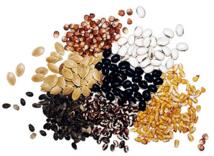
seedsSeed juice can be made only in a just few juicers - mainly Dual gear juicers are suitable for these. Seeds obtain important cell-revitalizing substances and to get these the best way is to juice them. Seed juice renews and maintains the elasticity of veins, increasse stamina, and is widely known to be effective in preventing and treating modern adult diseases.

Example:

3 tbsp. Seeds
1,5 tbsp. Honey
1 cup(8oz.) Water

Before juicing you should wash seeds with water. Very important is to put only small amounts at a time. IMPORTANT!!! Slowly put in a 5:1 ratio of water to seeds (5 tbsp water : 1 tbsp seeds). You can mix remaining pulp with water and juice again. A good idea is to add honey to your seed juice.
Manufacturers
<
Angel Juicer
Breville
Catler
Healthy Juicer
Green Power
Hurom - Slow Juicer
Champion Juicers
Magimix
Matstone
Omega Juicers
Remida
Coway
>
+420 775 584 237 (775 JUICER)Contact info